
Walk-In Tubs for Younger Adults: Comfort, Fit and Everyday Use
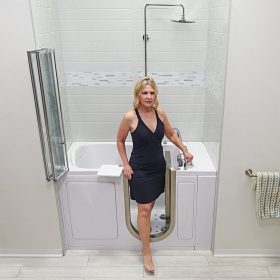

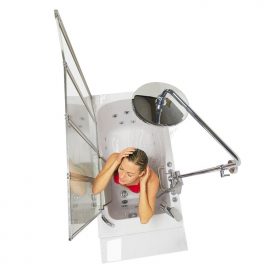
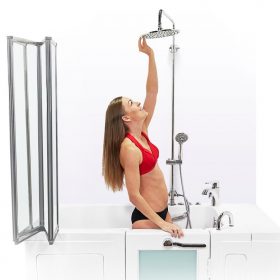
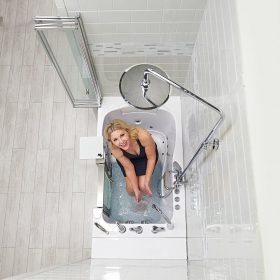
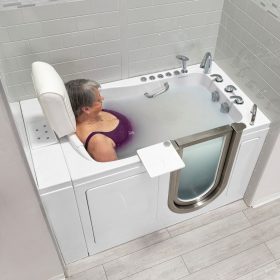
Considering a walk-in tub as a younger adult?
Age alone does not determine whether a walk-in tub is a good fit. If you prefer seated soaking or want to plan for changing mobility needs, compare the tub’s access, seat dimensions, controls and everyday bathing routine. A jetted tub is a home bathing product, not a replacement for a clinician-directed recovery or rehabilitation program.
Start with the complete buying guide and decide what you want from the bathroom before choosing massage features.
Comfort preferences, not guaranteed health outcomes
Some people enjoy warm water and a massage sensation as a way to unwind. Individual comfort varies, and a home walk-in tub should not be purchased on a promise of faster muscle recovery, improved circulation, better sleep or injury treatment.
The Arthritis Foundation’s heat-therapy guidance cautions against heat during an acute injury or flare. Ask a clinician about persistent pain, a new injury or a health condition that may affect safe bathing.
Athletic recovery claims need careful comparison
Equipment used in a supervised sports or rehabilitation facility may involve different water temperatures, exercises and treatment protocols. That does not establish that sitting in a home jetted tub produces the same results. Do not rely on a bath to accelerate your return to training or to treat an injury.
For a home purchase, evaluate the massage settings you actually like, whether the controls are reachable while seated, and how easily the system can be cleaned.
Walk-in tubs, cold plunges and light-based devices serve different purposes
These are not interchangeable products, and this buying guide does not rank their medical effects. A walk-in tub is principally for bathing; a cold plunge involves cold-water immersion, while light-based devices have their own specifications and intended uses. Review safety, evidence and suitability separately rather than assuming that one is a universal wellness upgrade.
Compare the space, installation, upkeep and daily use each product requires. If the goal is treating a symptom or improving athletic performance, get individualized advice before buying.
Plan the everyday routine
- Entry and exit: Check the threshold, door opening, seat fit and support points for the intended user.
- Time: Plan for filling and for draining below the door opening before exiting. Do not assume that a seated bath takes the same time as a quick shower.
- Showering: If this will replace the household’s main shower, verify the selected model’s shower equipment and the surrounding bathroom layout.
- Care: Use only the cleaning products and bath additives permitted by the exact model’s manual; do not assume salts, oils or scents are compatible.
- Installation: Confirm delivery access, plumbing, hot-water capacity, electrical needs and future service access before ordering.
Use the bathroom measurement checklist and installation guide to prepare for a site-specific assessment.
Choose for fit and documented features
A walk-in tub may suit a younger adult who prefers seated bathing, but it is not automatically the right choice for every bathroom or household. Compare the trade-offs with an ordinary bathtub or a walk-in shower, including whether assistance might be needed and whether everyone using the room will find the layout practical.
Review the hydrotherapy feature comparison, browse current TubToday models, or call 630-877-4294 with questions about the documented product specifications.